
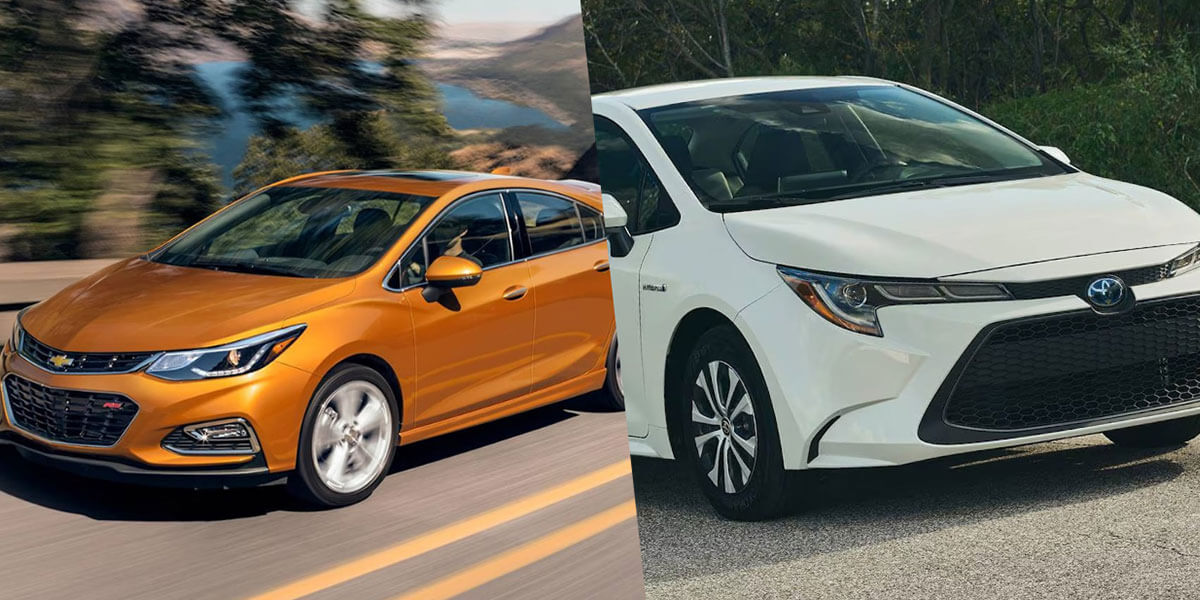
Buying a car is a crucial decision for many Swiss. The choice between one Used cars and a new vehicle is becoming increasingly complex. In 2025, various factors will play a central role: price, environmental impact, value retention and, above all, the advanced technology that new vehicles offer.
In this article, we'll take a closer look at the pros and cons of both options. We compare the financial, environmental and practical aspects to help you make an informed decision that meets both your needs and your budget.
1. Buying a used car: advantages and disadvantages
1.1 Advantages of used cars
Cheaper price
The biggest advantage of buying a used car is the significantly lower price compared to a new car. A used car usually costs significantly less, which makes it attractive to many buyers. Vehicles lose value quickly, especially in the first few years, so you can save a lot of money by buying a used car.
Less loss of value
New cars lose value rapidly in the first few years. However, if you buy a used car, you have already experienced this significant loss in value. This means you are making a more stable investment that will retain its value better over time.
Wider range of models
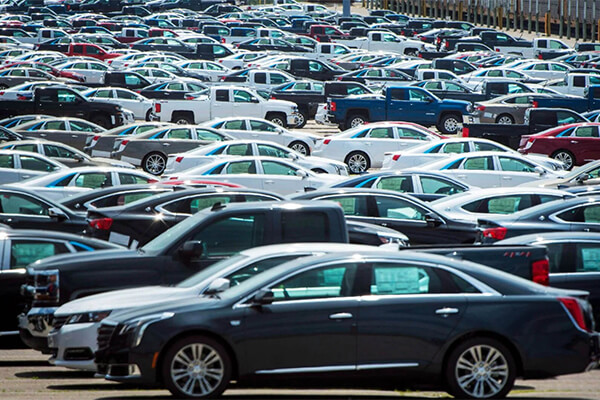
The used car market offers a huge selection of vehicles, from different brands and models to different trim levels. Buyers can choose from a wide range to find the right car that suits their needs and budget.
More environmentally friendly
Buying a used car also has environmental benefits. The production of a new vehicle causes high CO2 emissions. Buying a used car reduces the demand for new vehicles, which helps reduce environmental impact.
Lower insurance costs
Used cars often have lower insurance costs than new cars because the insured value is lower. This can be particularly beneficial for buyers on a budget or young drivers.
Better negotiation options
When buying a used car, there is usually more room for price negotiations. Buyers may try to lower the price, especially if the car has small defects or is older.
1.2 Disadvantages of used cars
Higher repair costs
Used cars may need repairs more often, especially if they are older or have been driven a lot. Parts may need to be replaced or serviced, which may incur additional costs.
Less guarantee
Unlike new vehicles, used cars often come with limited or no warranties. This means that buyers must have any defects repaired at their own expense.
Uncertain vehicle history
When buying a used car, there is a risk that the buyer will not receive all the information about the vehicle's history, such as accidents, damage or irregular maintenance. Even though many dealers provide vehicle history, it can be difficult to fully understand.
Outdated technology
Used cars may not have the latest technological features available on new vehicles, such as advanced safety systems or infotainment technology. Buyers who value modern features may find this a disadvantage.
Hidden defects
Despite a thorough inspection, there is always the risk of hidden defects or signs of wear and tear on used cars that only become apparent after purchase. This can lead to unexpected repair costs.
Also read: The used cars to avoid in 2025

2. Buying a new car: advantages and disadvantages
2.1 Advantages of the new car
Latest technology and equipment
New cars often offer the latest technological innovations, such as advanced safety systems and modern infotainment technologies, that may not be present in used cars. Buyers thus benefit from the latest developments on the automobile market.
Full guarantee
New cars come with a comprehensive manufacturer's warranty that covers repairs and maintenance for a specified period of time or mileage. This reduces the risk of high costs in the first few years and provides additional security.
Better fuel efficiency and lower emissions
New vehicles are often more fuel efficient and produce fewer CO2 emissions. This helps reduce operating costs and contributes to reducing environmental impact.
Higher resale value
New cars retain better value than used cars in the first few years. If it is in good condition, the resale value can be higher when sold later.
First hand
When you buy a new car, you are the first owner. You can configure the vehicle to your liking and have the peace of mind that there are no hidden defects.
Disadvantages of the new car
High price
The biggest disadvantage of a new car is the high price. New cars are significantly more expensive than used cars, which can be a major financial burden, even with financing or leasing options.
Rapid loss of value
New cars lose value quickly in the first few years, especially in the first three years. This makes buying a new car a less stable investment compared to a used car.
Higher insurance costs
The higher insured value of a new car also increases the insurance costs, which can lead to higher monthly operating costs.
Longer delivery times
Depending on the model and brand, delivery times for new cars may be longer, especially for special configurations or high demand, resulting in a longer waiting time for the buyer.
Higher operating costs
In the first few years, the running costs of a new car may be higher as spare parts and maintenance services are more expensive than used cars.

An expert's opinion: Buy used or new car in 2025?
As an expert in the automotive market, it is important to consider several factors before making such an important decision as buying a car. In 2025, the choice between a new car and a used car will depend on personal priorities, financial needs and expectations of technological innovation.
1. Economic factor: The price
The biggest argument for buying a second-hand car remains the price. In 2025, with new car prices rising, such a vehicle is often a much more affordable option. Buyers will find vehicles in excellent condition, with low mileage and modern features at significantly cheaper conditions than a new model. In addition, the value of a new car falls particularly quickly in the first few years, so a car from the used market has already seen most of this reduction in value.
2. Sustainability and environmental impact
Buying a used car is also beneficial from an environmental perspective. The production of a new vehicle requires significant resources and causes high CO2 emissions. When you choose a used vehicle, you help reduce the demand for new cars and reduce environmental impact. By reusing vehicles, you make an important contribution to environmental protection.
3. Technology and Warranty
However, a new car offers the advantage of the latest technologies. Cars sold in 2025 often come with the latest safety features, infotainment technologies and convenience features. Buyers of new cars also enjoy the security of a manufacturer's warranty that covers possible repairs and maintenance work.
4. Model selection and availability
The used car market offers a wide selection, so you can quickly find a model that suits your needs. Platforms like SwissCarMarket, which specialize in trading used cars, offer a variety of options and a reliable purchase process. This makes it easier to find the right car without having to wait for longer delivery times for new cars.